In the rapidly evolving landscape of digital marketing, artificial intelligence has matured far beyond a few clever chatbots. What began with conversational systems like ChatGPT has become a vast ecosystem of specialized AI tools transforming nearly every phase of content creation, promotion, and analysis. If the first wave of AI in marketing helped us write faster and automate basic tasks, the next wave is reshaping how content is conceived, produced, optimized, personalized, and deployed across channels — and in many cases delivering results that rival or even surpass traditional human workflows.
At the core of this transformation are tools that each solve a specific marketing challenge with machine learning, generative models, and data-driven optimization. ChatGPT and its successors like ChatGPT 5 remain foundational as idea engines and conversational interfaces that can generate copy, answer questions, and power chatbots embedded in customer journeys. But beyond general language models, marketers now choose from suites of purpose-built platforms that handle everything from visuals to SEO to video to campaign automation.
For visual storytelling and creative assets, tools like Midjourney 6 and Canva AI bring generative imagery into everyday workflows. These tools allow teams to produce unique visuals, branding assets, thumbnails, social graphics, and even short animated clips from simple text prompts, turning what used to require designers and photographers into a few lines of text and a generation request.
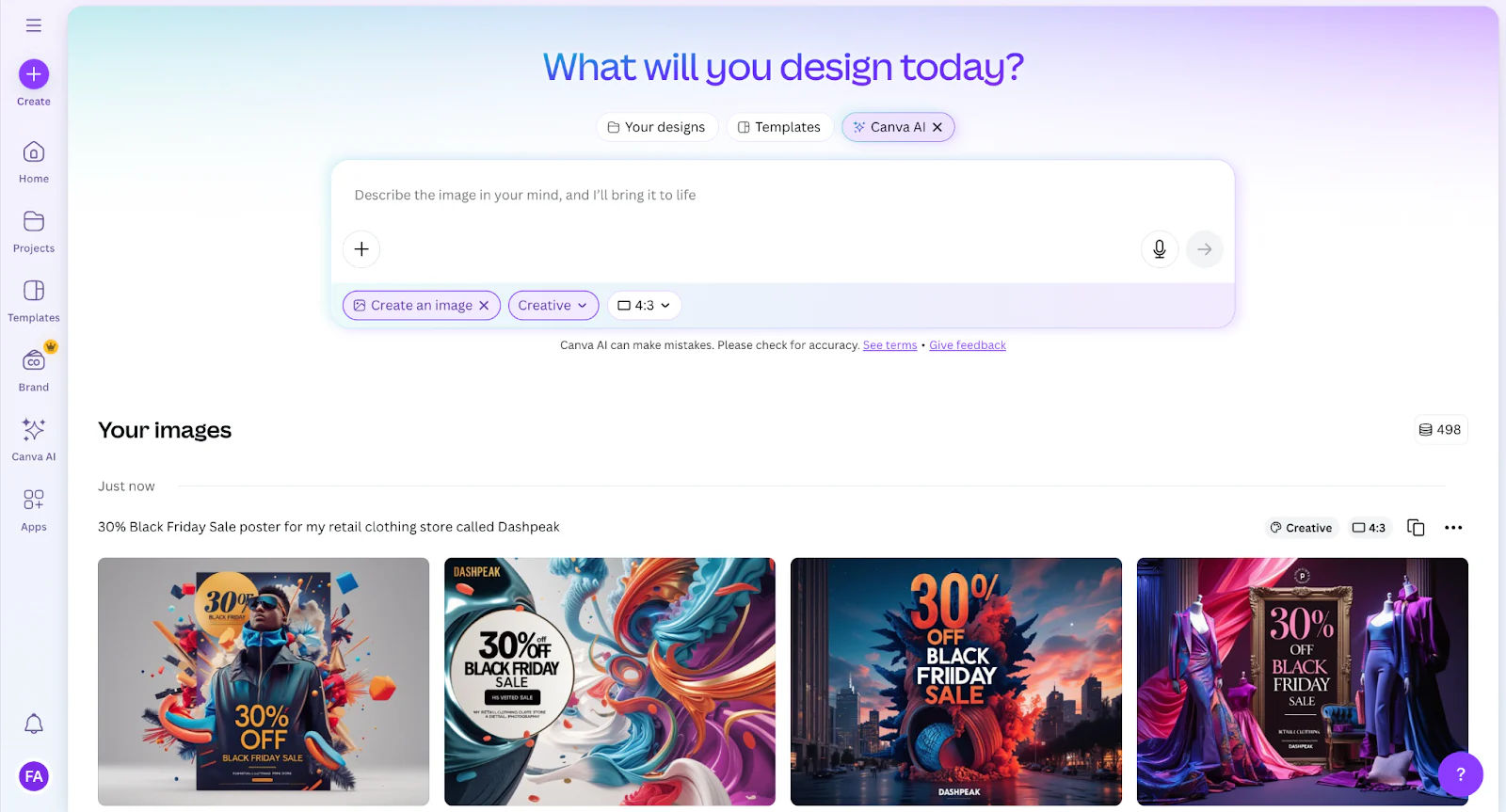
Canva AI shows how design creation has shifted to prompt-based workflows, allowing marketers to generate polished visuals, ads, and social content without traditional design skills or long production cycles
Meanwhile, video has become equally accessible through AI. Platforms such as Synthesia and tools like Sora allow the generation of human-like video content, complete with voice and motion, without a camera crew or editing suite. In many cases, the output is so polished that it’s difficult or even impossible to distinguish AI-generated video from something shot live, especially when consumed on small screens in short formats where nuance and micro-details are harder to scrutinize. This breakthrough is pivotal for social platforms that favor video engagement but where traditional production costs were previously prohibitive.
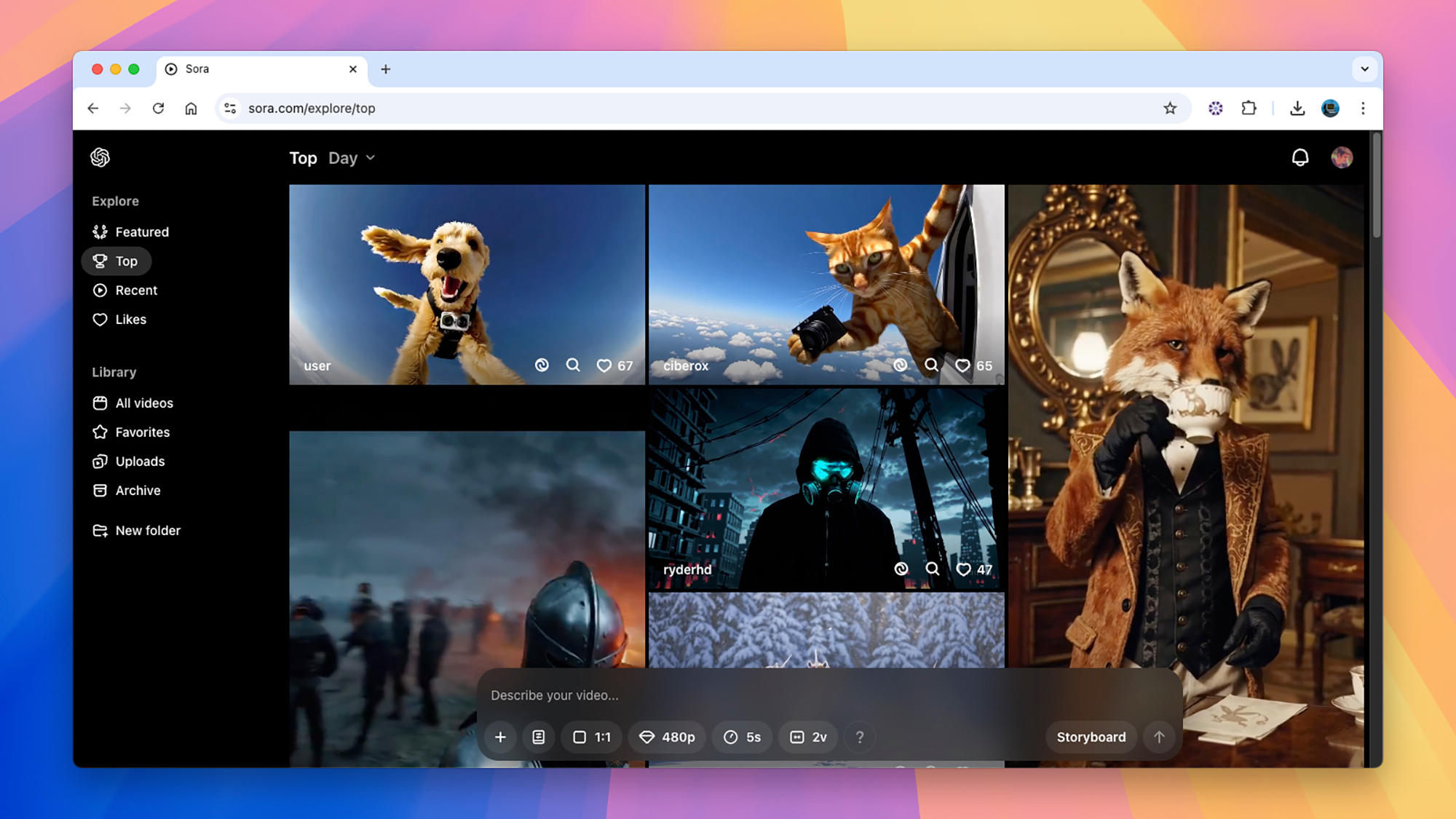
Sora demonstrates how AI video generation has reached a point where short clips can look fully cinematic, making it increasingly hard to distinguish synthetic video from real footage in social media feeds
Some tools focus on the technical half of content performance. Surfer SEO, Writesonic, and tools like Otterly.ai integrate AI with search intent and optimization, helping creators produce content that is not only fast to generate but aligned with what search engines and users are actually looking for. These systems can recommend keywords, outline structures, and even forecast trending topics so that content has a higher likelihood of ranking and resonating with audiences.
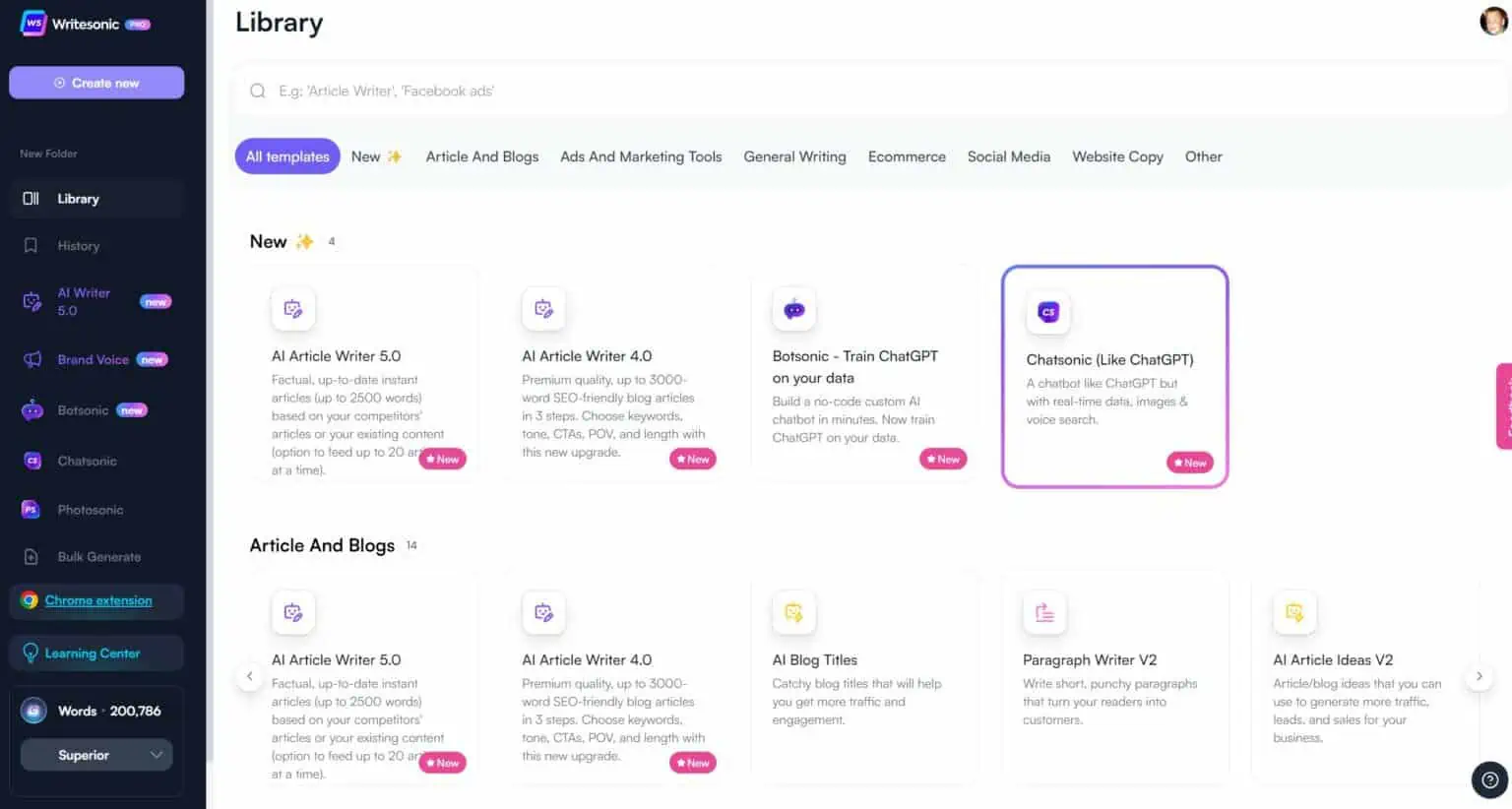
Writesonic is an all-in-one AI content platform that combines writing, SEO, chat, and automation tools, illustrating how modern marketers build content through specialized AI modules rather than a single generator
On the social side, platforms like Predis.ai automate not just post creation but entire social calendars, scheduling, and even performance prediction. They can generate captions, suggest the best posting times, and produce ad-ready assets tailored for platforms like Instagram, TikTok, LinkedIn, and YouTube, compressing hours of manual work into minutes.
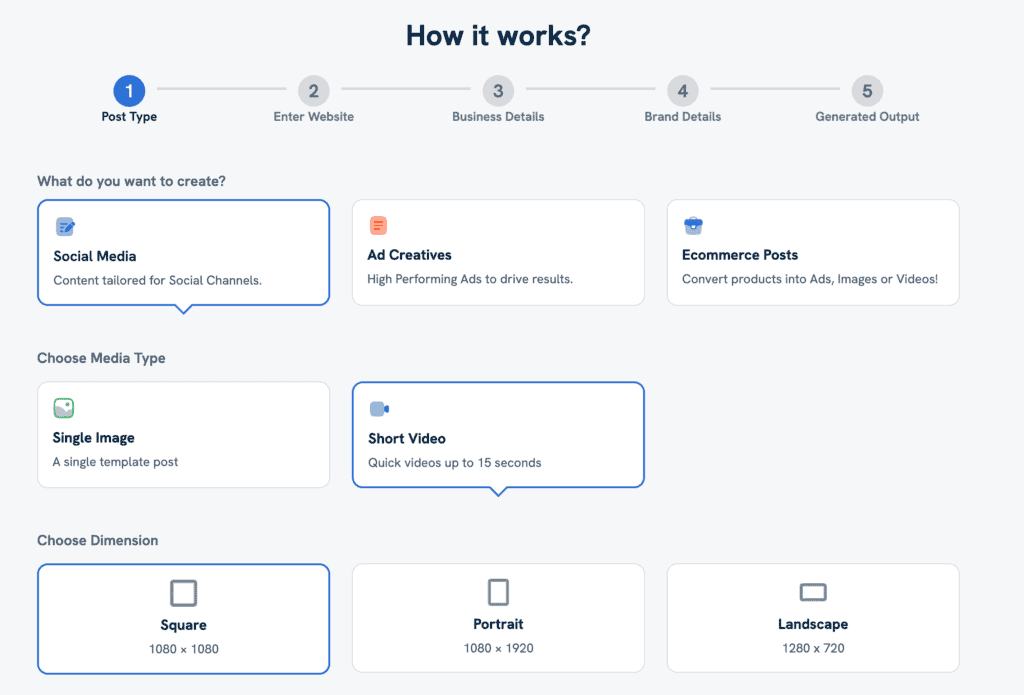
Predis AI shows how social media content creation is becoming fully automated, guiding marketers step by step from post type selection to ready-to-publish images and short videos optimized for each platform
By combining these tools in a modular workflow, modern marketing becomes dramatically more efficient and scalable. A typical stack might begin with generative text from ChatGPT, move into image or video generation with Midjourney or Sora, integrate SEO refinement via Surfer or Writesonic, and finish with social scheduling and analytics from Predis, Sprout Social, or Hootsuite’s AI features. Each tool handles a discrete task — ideation, production, optimization, distribution — turning what was once a long, linear process into a seamless, parallelized pipeline.
That convenience is one of AI’s greatest strengths. Teams can produce more content, test multiple variations, and adapt to trends in real time without massive budgets or specialized skills. Marketers can focus on strategy, storytelling, and audience insight while AI handles repetitive tasks, data crunching, and execution at scale.
Yet this convenience carries trade-offs. With many brands using similar AI tool stacks trained on similar datasets, outputs can begin to converge stylistically and tonally. When visual assets, captions, and even videos are generated from the same models, differentiation becomes harder. There’s also a risk that reliance on automation dulls human intuition: if every decision is driven by what performs best according to the models, creativity and nuance may suffer. The most successful strategies will be those where AI amplifies human judgment rather than replaces it.
Ultimately, the next generation of AI tools isn’t about reducing marketing to algorithms. It’s about expanding what’s possible — enabling small teams to act with the force of large departments, empowering creators to experiment freely, and giving brands the ability to tailor messages with unprecedented precision. But the real advantage in 2026 and beyond will belong to those who balance automation with authenticity, using AI not just to produce content, but to produce resonance in a crowded digital landscape.
Comments (0)