You scroll without thinking. One post blends into the next, perfectly timed, uncannily relevant, formatted exactly the way your eyes expect it to be. It feels natural, effortless, almost comforting. But what you’re seeing is no longer the outcome of human intuition alone. Your social media feed is quietly run by artificial intelligence, and it didn’t seize control overnight. It filled a vacuum we created ourselves.
AI stepped in because the volume of content exploded beyond human capacity. Millions of creators, brands, influencers, and businesses now compete for the same limited resource: attention. At the same time, the amount of uninterrupted attention people can give has been shrinking. Long movies feel harder to finish. Thick books sit unopened. Even full-length YouTube videos are often played at 1.5× speed or abandoned halfway through. We consume more content than ever, but in smaller, more fragmented doses.
At this point, it’s worth clarifying what we actually mean when we say “AI” in social media, because the term is often misunderstood. Artificial intelligence in this context doesn’t imply conscious machines or human-like thinking. It refers to systems built on machine learning algorithms that can analyze massive amounts of data, identify patterns, and adapt their behavior without being explicitly reprogrammed for every decision. Social media algorithms qualify as AI because they don’t simply follow fixed rules like “show the newest post first.” Instead, they learn from behavior. They test thousands of variations, measure outcomes in real time, and continuously update their logic based on what keeps users engaged. When an algorithm observes, predicts, experiments, and improves autonomously at a scale no human team could manage, it stops being just a formula and becomes a form of applied artificial intelligence.
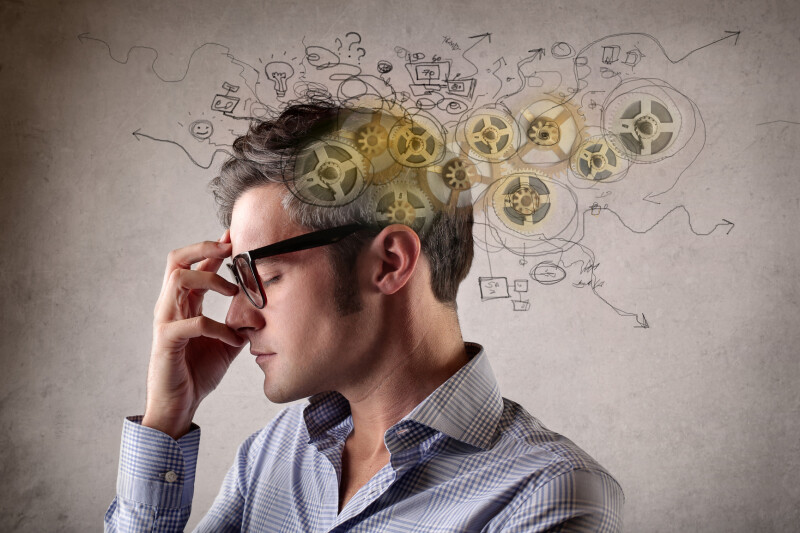
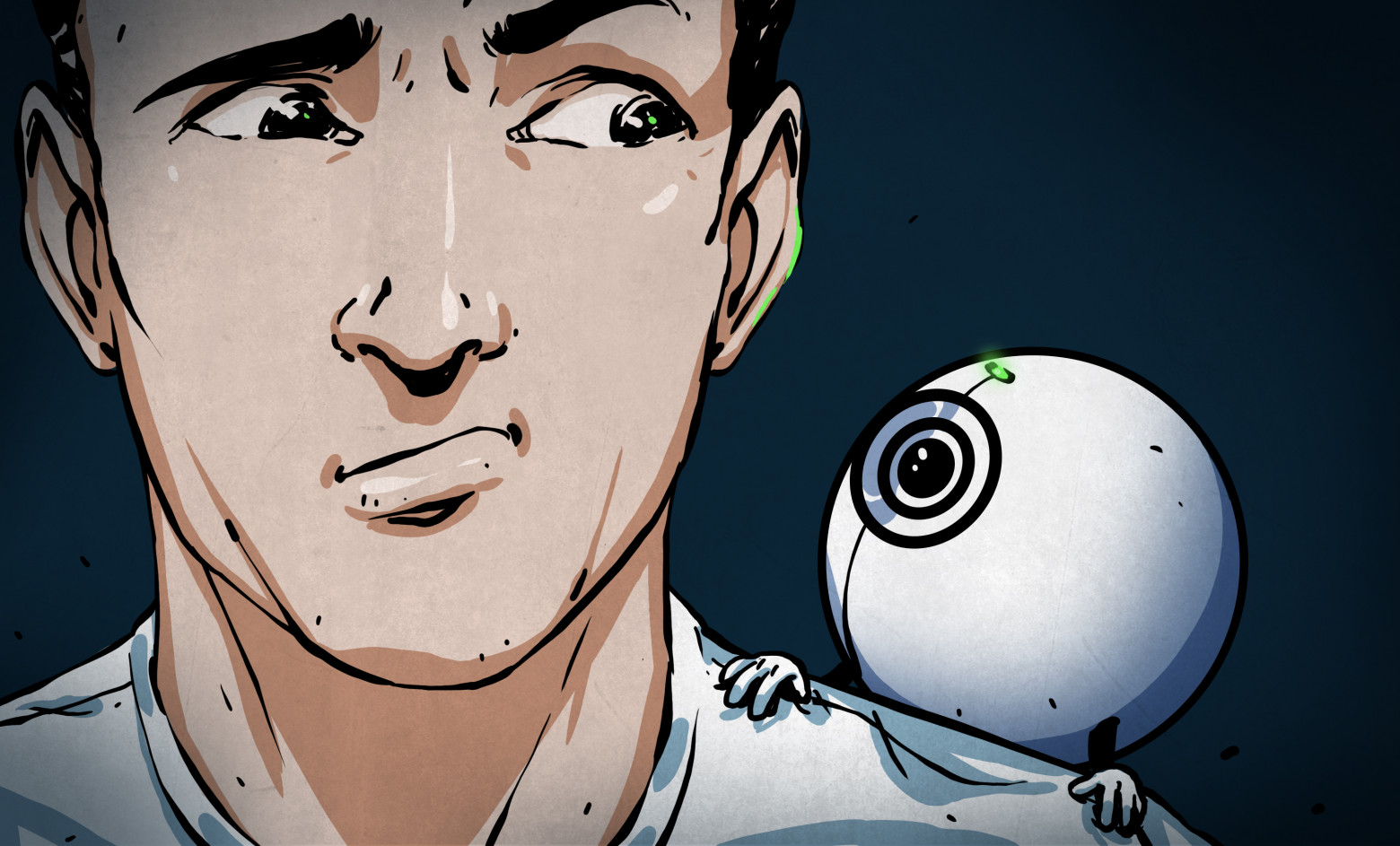
This tension created a perfect environment for algorithms. When content became infinite and attention became scarce, platforms needed a system that could decide, instantly and continuously, what deserved to be seen. Humans couldn’t do that work anymore. AI could. It watches everything at once: how long you pause, what you ignore, what you almost click, what you return to later. Over time, it learns how to package information in the most digestible form for a distracted mind.
There’s also a psychological layer to this shift. Modern audiences are increasingly absentminded. Notifications interrupt thoughts. Multitasking replaces focus. Many users don’t consciously choose what they want to watch; they let the feed choose for them. AI thrives in this environment because it doesn’t rely on intention. It responds to impulse. The system doesn’t ask what you want to see. It predicts what you’ll tolerate long enough not to swipe away.
This is why formats changed so dramatically. Long texts gave way to short posts. Single images evolved into carousels. Stories, reels, and shorts became dominant. These formats weren’t invented because they were more artistic or meaningful. They survived because they worked better on a mind trained to skim, scan, and move on. AI noticed that carousels extend viewing time by just a few seconds. It learned that breaking ideas into slides feels easier than reading a block of text. Those micro-advantages were enough to reshape the entire content ecosystem.
This transformation isn’t unprecedented. History already showed us how media adapts to attention. Books once dominated as the primary medium of storytelling and information. Television replaced them for mass audiences by demanding less effort and offering more stimulation. Later, YouTube disrupted television by allowing people to choose shorter, more specific content on demand. Social media finished the transition by removing the need to choose at all. The feed simply flows.
AI is the invisible engine accelerating this evolution. Where television had programming schedules and YouTube had creators optimizing thumbnails and titles, social media has algorithms dynamically assembling a personalized broadcast for each individual. Your feed is no longer a collection of posts. It’s a continuously updated narrative optimized to keep you present, even if only half-aware.
As the amount of content grows, the pressure to make every piece instantly likable increases. There’s no room for slow introductions or delayed payoffs. AI rewards content that delivers satisfaction immediately. That satisfaction might be information, emotion, validation, or simply familiarity. Over time, creators adapt not because they want to manipulate audiences, but because anything else disappears into obscurity.
This is the quiet takeover. AI didn’t overthrow human creativity. It reorganized it around human limitations: reduced focus, constant distraction, and overwhelming choice. The result is a world where content must not only exist, but arrive in the most appealing, frictionless form possible. Not because it’s better for us, but because in a crowded, distracted environment, being merely good is no longer enough to be seen at all.

Comments (0)